
Older Home in Bulli, Woonona, Russell Vale or Bellambi? What to Check Before Renovating the Bathroom
Before you choose tiles or a new layout, two facts about the house itself can change what a bathroom renovation involves: its heritage status and its age.
This guide is for owners of older homes in Bulli, Woonona, Russell Vale and Bellambi who are starting to plan a bathroom renovation. Bulli has two Heritage Conservation Areas listed in Wollongong’s Development Control Plan. One of them, Old Bulli, was the centre of the original township and grew next to successful mines.
Below, we cover how to check whether your home has heritage status and what that can change for council approval. Then we explain how to ask council in writing before work starts, and what a pre-1990 build date means for removing the old bathroom. We finish with a quick checklist. For each check, you’ll know which official source to confirm it with.
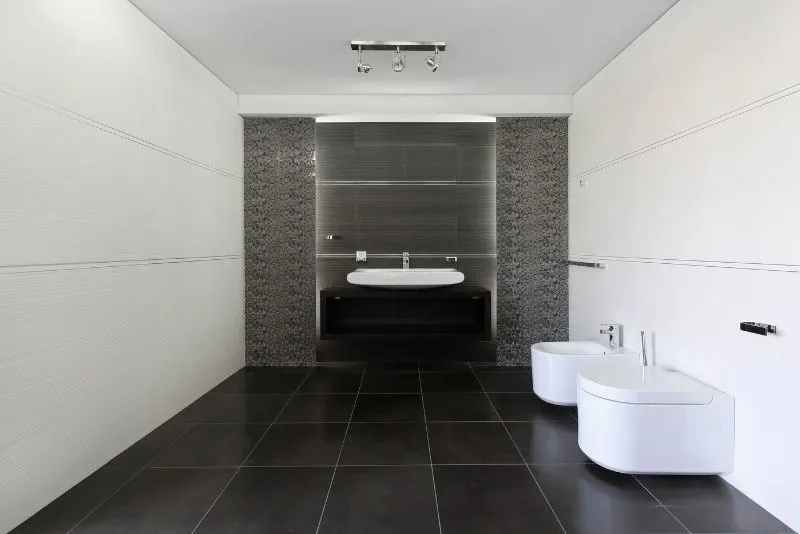
What should you check before renovating the bathroom in an older Bulli or Woonona home?
Start with these four checks:
- Check whether your home is a heritage item, or sits inside the Old Bulli or Bulli (commercial centre and railway) Heritage Conservation Area.
- If it is a heritage item, structural changes to its interior need a development application (DA). Other minor internal works may go ahead only if council confirms in writing beforehand. Council looks at each request case by case.
- Ask council in writing, with plans, fixture details and photographs.
- If your home was built before 1990, it likely contains asbestos. Removing more than 10 m² needs a licensed asbestos removalist, and SafeWork NSW recommends a licensed removalist for any amount.
In this guide:
- Is your home heritage listed or in a Heritage Conservation Area?
- What heritage status can change for bathroom work
- How to ask council before work starts
- When was your home built? Asbestos and removing the old bathroom
- A quick pre-renovation checklist
Is your home heritage listed or in a Heritage Conservation Area?
Heritage rules in Wollongong can apply in two ways. A property can be a heritage item, which means it is listed in Schedule 5 of council’s heritage listings. Or it can sit inside a Heritage Conservation Area (HCA), which is an area listed in council’s planning rules. Both heritage items and HCAs are covered by the same heritage provisions.
Council notes that heritage-registered houses may need extra approvals before any renovations. So it helps to find out early whether your home is affected.
Chapter E11 of the Wollongong Development Control Plan (DCP) 2009 lists nine HCAs across the council area. Two of them are in Bulli, and both are of local significance. You can read the full list in Wollongong’s heritage conservation planning guidelines.
The two Heritage Conservation Areas in Bulli
- Old Bulli – Princes Highway
- Bulli – commercial centre and railway, which covers Princes Highway, Railway Street, Station Street, Park Road, Stikes Lane and Quilkey Place
Old Bulli is one of the earliest settled parts of Bulli and shows how towns grew quickly next to successful mines.
Contributory, neutral or intrusive: what council can tell you
Buildings inside an HCA are placed in one of four classes: Contributory A, Contributory B, Neutral or Intrusive.
If your home is inside one of the Bulli HCAs, council’s heritage officer can tell you whether your building is contributory or non-contributory.
Woonona, Russell Vale and Bellambi owners
We did not find a Heritage Conservation Area in Woonona, Russell Vale or Bellambi in the council sources we reviewed. Your individual property could still be listed as a heritage item, so it is worth checking with council before you plan your bathroom work.
What heritage status can change for bathroom work
If your home is a heritage item, some changes need a development application (DA). This is a formal request for council consent. Under Wollongong’s heritage rules, making structural changes to the inside of a heritage item building is one of the types of work that needs a DA.
There is an exception for smaller jobs. Consent is not needed where you have told council about the work and council has advised you in writing, before any work is carried out, that:
- the work is minor or maintenance work; and
- it would not adversely affect the heritage significance of the property.
The DCP’s list of minor works includes many internal alterations that do not affect structural parts of the building or its significant detailing.
Council considers each request case by case. What counts as minor work for one heritage property may not count as minor for another. That is why it’s best not to assume your bathroom plans fall on one side or the other.
The key step: written advice before work starts. If your home is a heritage item, get council’s written advice before any work begins.
How to ask council before work starts
If your home may have heritage status, the next step is to contact Wollongong City Council before any bathroom work begins.
Make your request in writing. Include enough detail for council to understand what you plan to change.
What to have ready:
- Plans of the proposed bathroom work
- Details of the fixtures you plan to install
- Photographs of the existing bathroom and the areas affected
Then wait for council’s written advice before any work is carried out.
Council also offers development advice, which can help if you are unsure where your plans fit. If your home is inside one of the Bulli Heritage Conservation Areas, you can ask council’s heritage officer whether your building is contributory or non-contributory.
When was your home built? Asbestos and removing the old bathroom
Your home’s build date matters when you plan to remove the old bathroom. Both Wollongong City Council and SafeWork NSW link a pre-1990 build date to asbestos.
| Source | What it says about homes built before 1990 |
|---|---|
| Wollongong City Council | There is a good chance the house contains asbestos somewhere. |
| SafeWork NSW | The home is likely to contain asbestos, which was used in over 3,000 building products. |
Who can remove asbestos
Anyone removing more than 10 m² of asbestos must use a licensed asbestos removalist.
SafeWork NSW recommends using a licensed removalist for any amount. If you remove less than 10 m² of non-friable asbestos yourself, SafeWork says to follow its Code of Practice.
Council also notes that homes built before the 1970s may have lead in their paint.
If your home was built before 1990, keep this in mind when you plan the demolition stage. You can read more about removing an old bathroom and what that stage involves.
A quick pre-renovation checklist
Before you plan the details of your new bathroom, work through these checks:
- Check your home’s heritage status. Find out whether it is a heritage item, or inside the Old Bulli or Bulli (commercial centre and railway) Heritage Conservation Area.
- Ask about your building’s class. If your home is inside one of the Bulli HCAs, council’s heritage officer can tell you whether it is contributory or non-contributory.
- Contact council in writing. If your home is a heritage item, ask council for written advice before any work starts.
- Prepare your documents. Have plans, fixture details and photographs ready to send with your request.
- Confirm your home’s build date. If it was built before 1990, it likely contains asbestos. Removing more than 10 m² needs a licensed asbestos removalist, and SafeWork NSW recommends one for any amount.
Once you have these answers, you can start planning your bathroom renovation with a local Wollongong renovator. Talk through your bathroom plans with our team at Bathroom Renovations Wollongong, or call us on 0240036408.
Ready to start your bathroom renovation?
Talk to the Bathroom Renovations Wollongong team today — free, no-obligation advice.
CALL (02) 4003 6408 NOW