Wollongong & the Illawarra · Licensed & Insured

Bathroom Demolition Wollongong

Free, no-obligation quote — we reply same day.

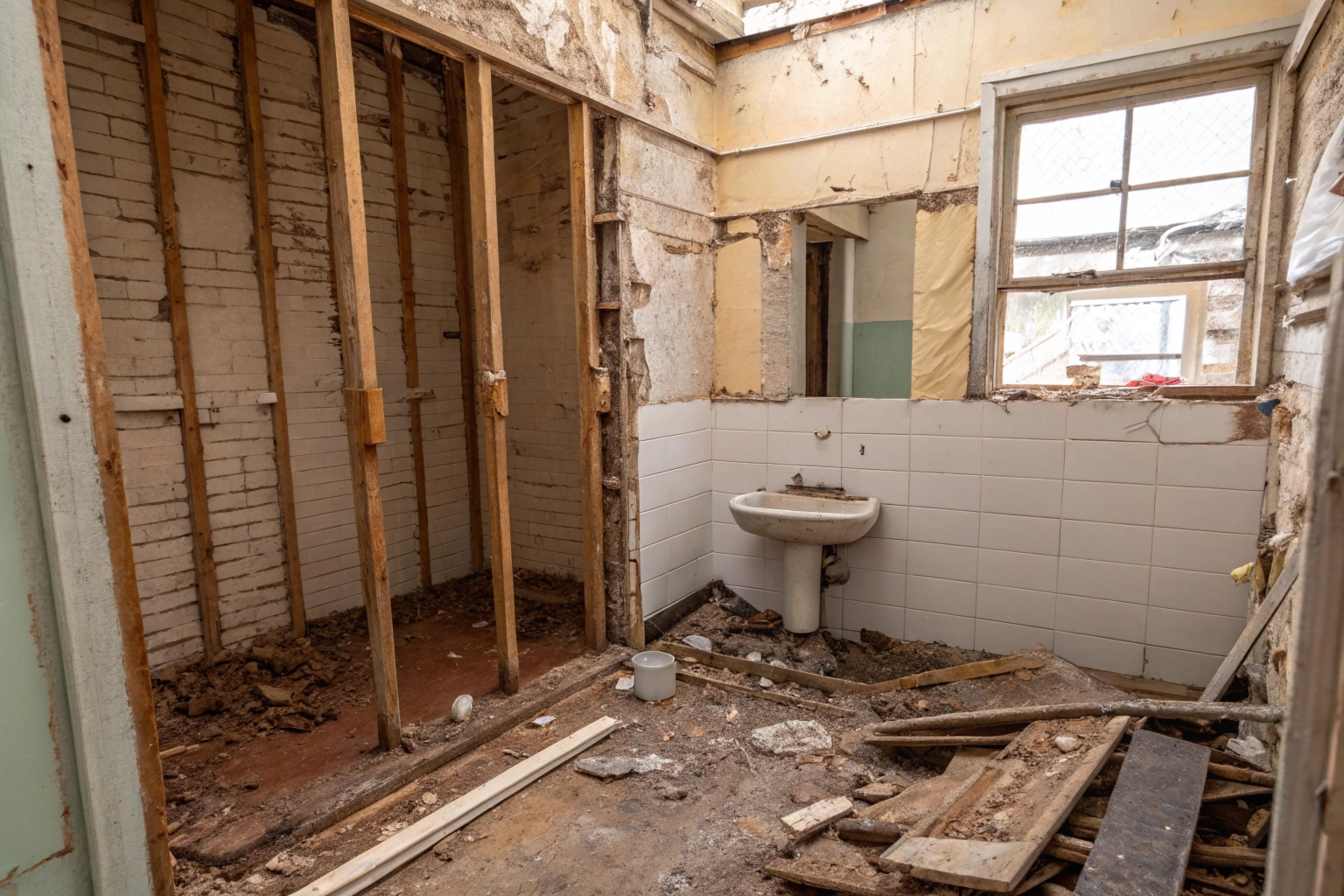
Old Australian bathroom mid-demolition with exposed fibro wall sheeting

Why We Don’t Recommend DIY Demolition (Even Though You Can Technically Do It)

People ask us this a lot, usually a little sheepishly — “could I just do the demo myself and save some money?” Honestly, the physical act of removing a vanity and smashing tiles off a wall isn’t rocket science. That’s not where the risk is. The risk is in what you can’t see until you’ve already started.

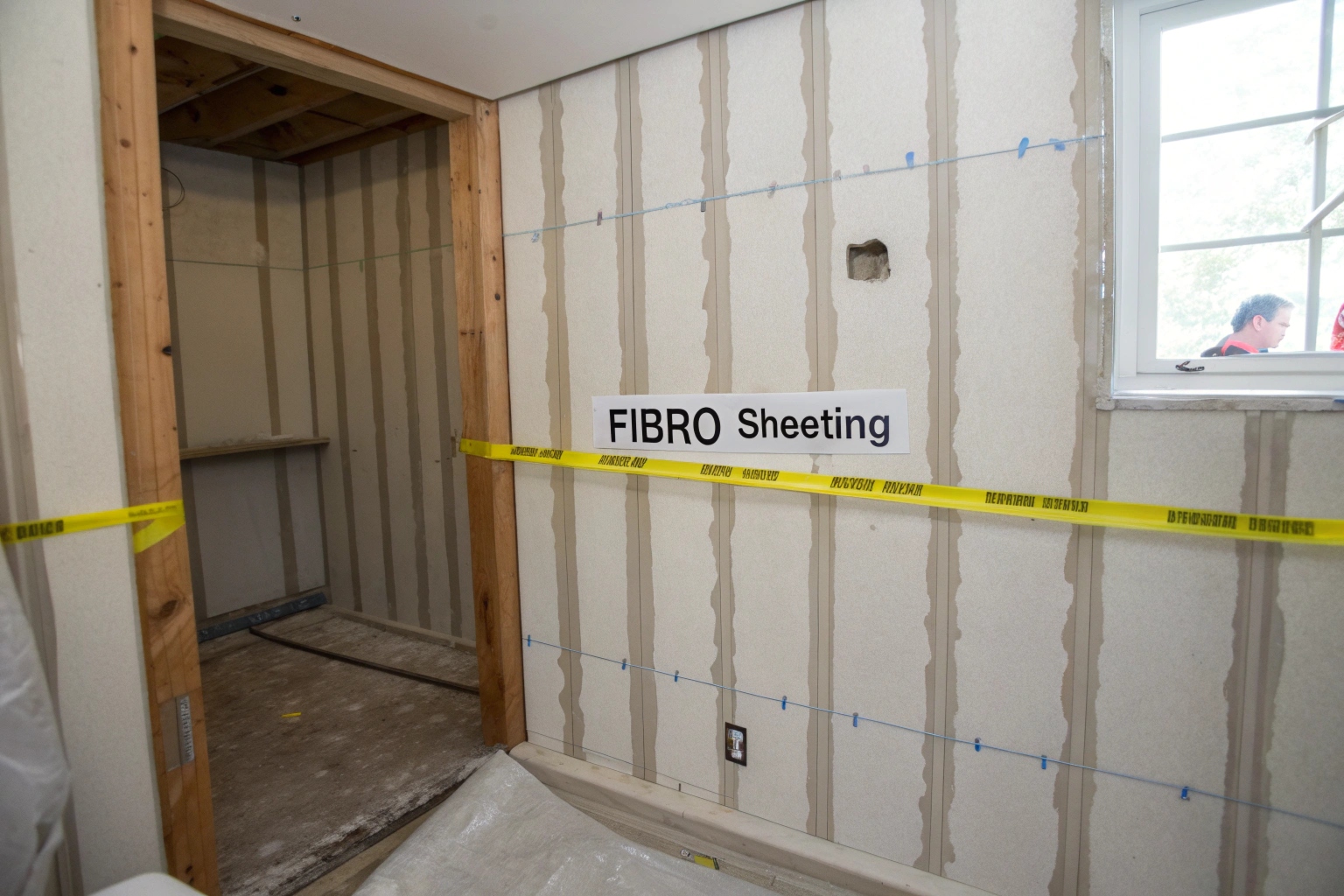
A huge share of Wollongong’s housing was built between the 1950s and the 1980s, back in the BHP steelworks boom, and a lot of that is fibro construction. Fibro sheeting and old tile adhesive can contain asbestos in a home from that era. We’ve opened up bathrooms in Corrimal and Thirroul where everything looked completely benign until we got the wall sheeting off, and it wasn’t. That’s the honest reality of the local housing stock, and it’s exactly why we test rather than assume.
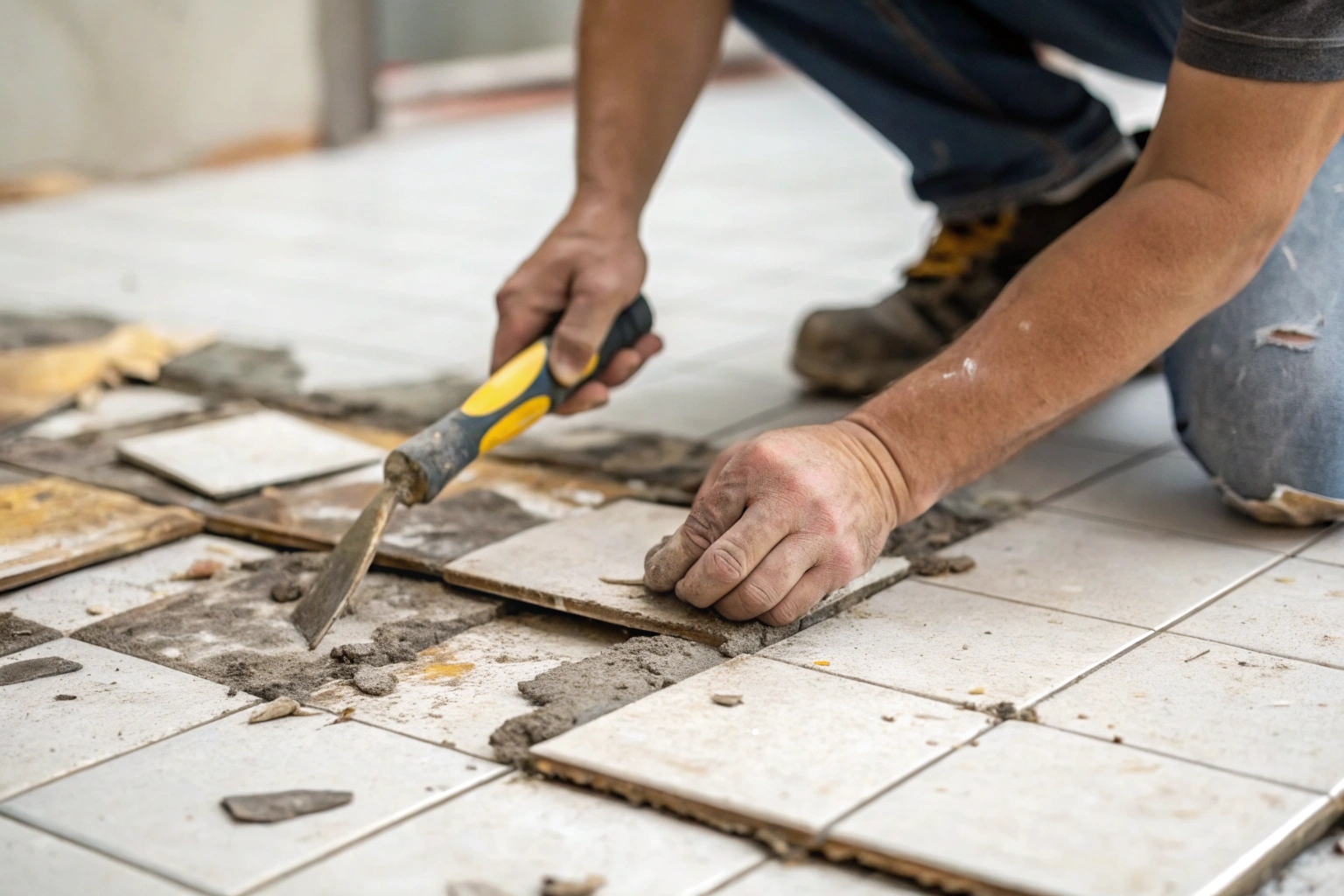
What It Actually Takes If You Go It Alone

If you’re still weighing up doing it yourself, here’s what it actually takes: a demolition or rotary hammer drill, decent pry bars, an angle grinder with tile-cutting discs, a reciprocating saw for stubborn fixtures, heavy tarps for dust control, and proper PPE — a fitted respirator, not a $2 dust mask, plus safety glasses and gloves. We’re not going to pretend you can’t buy or hire this gear. You can. What we will say is that most people who’ve done it once tell us they wouldn’t do it again — the dust gets everywhere, the “quick weekend job” becomes two weeks, and if you hit something you shouldn’t have (asbestos, a live wire, a pipe you didn’t know was there), you’re now paying someone else to fix a problem that started as a way to save money.

On Technique, If You Do Go Ahead

On technique, if you do go ahead: kill the water and power to the room first, always. Take fixtures out before you touch a single tile — vanity, toilet, bath, shower screen, in that order. Work top to bottom, not bottom to top, or you’ll be climbing over rubble the whole time. And treat any pre-1990s home as asbestos-present until proven otherwise — not “probably fine,” proven otherwise.

Standard demolition with no asbestos involved typically runs $1,500–$3,500. If asbestos removal is needed, that moves to roughly $3,000–$6,000+, depending on how much is affected.

We’re licensed and insured, properly, not just on paper. We know this housing stock, because we work in it constantly — a 1960s Corrimal fibro cottage and a 1990s Figtree brick home hide completely different problems, and we treat them differently from day one. It’s one team, one point of contact: we don’t hand you off to a subcontractor who then goes quiet, and if something needs a decision, you’re talking to the person who’s actually in your bathroom. Every photo you see from us is from a real job we’ve pulled apart in the Illawarra, not stock photography. And you’ll always get a straight number, not a moving target — we’ll tell you the price after we’ve looked, and we’ll tell you if anything changes before we act on it, not after.

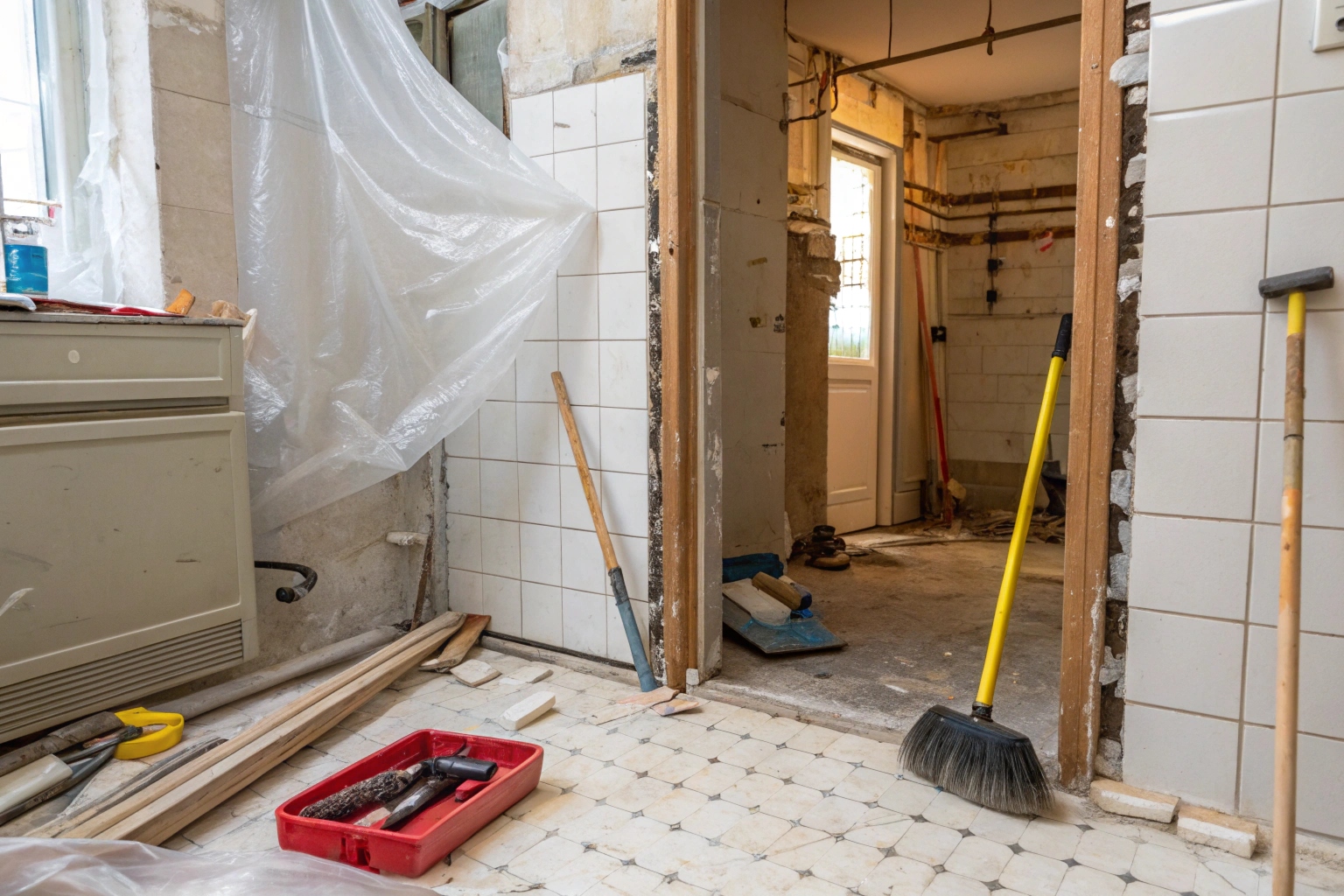
Bathroom demolition site with hallway sealed for dust protection

How We Actually Run a Demolition

There’s no magic to this, but there is a sequence, and skipping steps in it is where jobs go sideways:

CALL (02) 4003 6408 NOW

  • We protect the site first – hallway, flooring, adjoining rooms sealed and covered before a single tool comes out. This is the step most DIY jobs skip, and it’s the reason dust ends up in the carpet three rooms away.
  • Water and power isolated – non-negotiable, every time.
  • Fixtures outvanity, toilet, bath, tapware, removed carefully, not smashed, because some of it can be reused or at least disposed of properly rather than dumped.
  • Tiles and substrate stripped back – usually the slowest part. Older adhesive in particular can be genuinely stubborn; some 1970s tile jobs come off in one clean sheet, others fight you tile by tile.
  • Asbestos testing and safe removal, if needed – handled to NSW guidelines, by licensed people where the law requires it. This isn’t a step we shortcut to save a day.
  • Waste out, same day where possible – we’re not fans of leaving a half-filled skip bin on your nature strip for a week. It’s your street, not our display cabinet.
  • Handover – clean, swept, ready for the next trade to walk straight in.

How Long Does It Actually Take?

For an average family bathroom — say 4 to 8 square metres — we’d normally budget 1 to 2 days. If asbestos removal is involved, or it’s a larger ensuite with more fixtures, that stretches to 2 to 3 days.

We’ll tell you our honest estimate on-site, before we start — not adjust it upward once we’re two days in.

What actually moves that number, in our experience:

  • How stubborn the old tile adhesive is (genuinely varies more than you’d think)
  • Whether asbestos is present and how much
  • Access — an upstairs bathroom or a unit block with a lift you have to book is a different job to a ground-floor house with driveway access
  • How much has to come out — an original 1960s three-piece bathroom is usually simpler than a bathroom that’s already been “renovated” once badly, because now we’re removing someone else’s shortcuts too
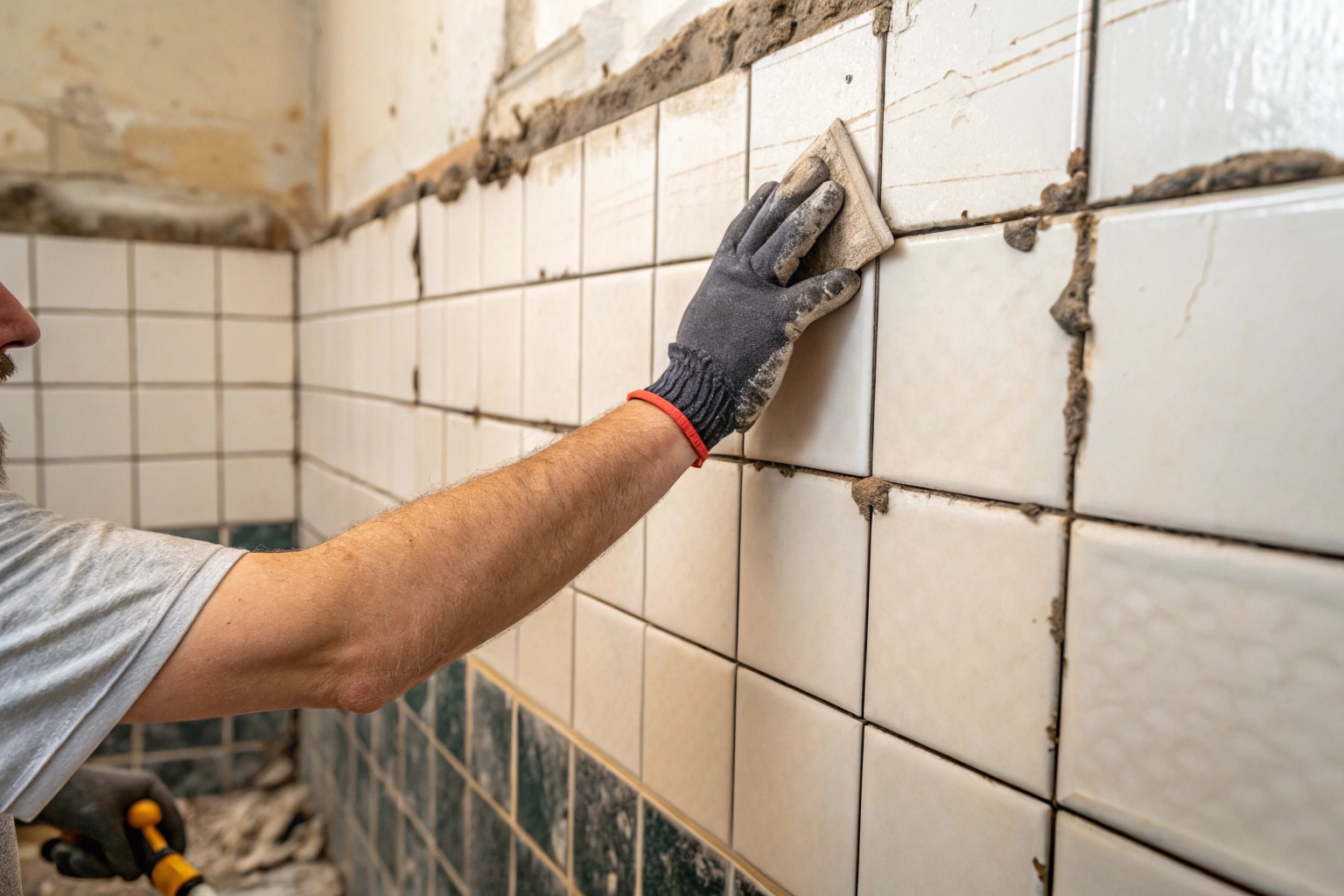
Tradesperson removing old bathroom tiles with a pry bar

What Bathroom Demolition Actually Costs in Wollongong

This is the question everyone actually wants answered, and it’s usually the hardest one to get a straight answer to without a form, a phone call, and a follow-up email sequence. So here it is plainly:

What Actually Moves the Price

We’ll always confirm a firm number after we’ve actually looked at your bathroom in person. We’re not going to give you a number over the phone and then “discover” reasons to charge more once we’re on-site — if anything changes mid-job, you’ll hear about it before we keep going, not after.

What actually moves the price, based on what we see on real Wollongong jobs:

CALL (02) 4003 6408 NOW

  • Size of the bathroom
  • Whether asbestos is present, and how extensively
  • Type and amount of tiling and old adhesive
  • How much waste comes out (older bathrooms are often heavier than people expect — a lot of screed, a lot of tile)
  • Access for getting materials out (this one surprises people — a tricky driveway or narrow side gate can genuinely add to the job)

Where Demolition Sits in a Full Renovation Budget

If you’re planning the whole renovation, not just the demo, it helps to know where this stage sits in the bigger picture — because the honest answer to a lot of the budget questions we get asked isn’t always the one people want to hear. If you’re working through the numbers for a full renovation, our complete cost guide goes through every stage in more detail.

Exposed fibro sheeting in a stripped-back bathroom wall

What Actually Blows Out a Demolition Budget

In our experience, it’s rarely the demolition labour itself that surprises people. It’s what the demolition uncovers.

Our honest opinion on the most expensive part of a renovation overall: it’s usually not demolition — it’s waterproofing and tiling labour, followed by fixtures if you go premium on tapware and vanities. Demolition tends to be one of the smaller line items in the whole job. But it’s the stage that either protects the money you spend on everything after it, or quietly undermines it.

  • Asbestos nobody knew was there – the single biggest variable in older Wollongong homes, full stop.
  • A subfloor that’s been quietly rotting – if there’s been a slow leak for years, you often don’t know until the tiles are off and the floor underneath tells the real story.
  • Poor access – we’ve had jobs where the biggest single cost driver wasn’t the bathroom at all, it was getting waste out through a tight side passage or up three flights in a unit block.
  • Underestimating how much actually comes out – old screed beds are heavier and thicker than people expect. A “small” bathroom can still produce a genuinely large amount of rubble.

What We’d Tell You to Avoid

What we’d genuinely tell you to avoid:

CALL (02) 4003 6408 NOW

  • Skipping an asbestos check because “the house doesn’t look that old” – age on the outside tells you nothing about what’s in the walls.
  • Picking the cheapest quote without checking licensing and insurance – ask to see both; every legitimate operator will show you without hesitation.
  • Rushing waterproofing to save a day – it’s the one thing you really don’t want to shortcut, because fixing a failed membrane after tiling means redoing the tiling.
  • Falling in love with a design before it’s confirmed to fit – we’ve had more than one conversation gently talking someone out of a freestanding bath that simply wasn’t going to fit through the door, let alone the room.

Areas We Cover

Figtree, Keiraville, Fairy Meadow, Thirroul, Corrimal, Woonona, Bulli, Dapto, Unanderra, Port Kembla, Mount Ousley, and the broader Illawarra region.

Tradesperson tapping an old tiled bathroom wall during inspection

What We Look For Before We Touch a Wall

We’ve pulled apart a lot of Wollongong bathrooms. Enough to know the difference between a Figtree brick home from the early 2000s and a Fairy Meadow fibro cottage from 1968 just by the sound the wall makes when you tap it. That sounds like a small thing, but it isn’t — it’s usually the first clue about what we’re actually going to find once the tiles come off, and it shapes everything about how we approach the job.

Why Demolition Comes First

Demolition is the least glamorous part of a bathroom renovation. Nobody pins a photo of a gutted, dusty room to a Pinterest board. But it’s the stage that decides whether everything after it — waterproofing, tiling, the plumbing and electrical — goes in clean and correct, or gets built on top of problems nobody bothered to check for. We’d rather find the bad news on day one, while it’s still cheap to fix, than have your tiler find it on day twelve.

If there’s one thing we’d want you to take from this page, it’s this: demolition isn’t the part of the job you should be shopping around hardest for. It’s the part you want done by someone who’ll tell you the truth about what’s behind your walls, not just the fastest quote to get the skip bin filled.

Questions, Answered

Frequently Asked Questions

Can you renovate a bathroom for $5,000?

Not a full renovation, no — and we’d rather tell you that now than let you find out three quotes in. $5,000 gets you cosmetic changes: new tapware, a repaint, maybe a new vanity if the plumbing doesn’t move. It doesn’t cover demolition plus retiling plus waterproofing plus new fixtures as a package.

Can you renovate a bathroom for $10,000?

It’s possible, for a small bathroom, with a tightly controlled scope — standard tiles, a mid-range vanity, no changes to the layout, and no nasty surprises behind the walls. We’ve done bathrooms in this range. They’re good, honest, functional results. They’re just not the Pinterest-board freestanding-bath fantasy, and we’d rather set that expectation upfront than have you disappointed on handover day.

What is a realistic budget for a full bathroom renovation in Wollongong?

For a proper gut renovation of a standard family bathroom — demo, waterproofing, tiling, new fixtures, vanity, tapware, done properly — most of our clients land somewhere between $18,000 and $35,000. Where you sit in that range comes down to finish level and whether anything structural changes.

What does a $10,000 bathroom remodel actually look like?

Existing layout kept as-is. Standard-format tiles, not the large-format or textured ones that cost more in both material and labour. A semi-custom or flat-pack vanity rather than fully custom joinery. Standard tapware. And critically — it only works if what’s under the old tiles isn’t a mess. If the waterproofing’s already failed, that number changes fast.

How much does a small bathroom renovation cost in Australia generally?

For bathrooms under about 5m², we typically see $12,000–$22,000 for a complete job, though older housing stock like a lot of what’s around Wollongong can push that higher once you factor in age-related surprises.

Do I need council approval to demolish a bathroom in NSW?

For a straightforward like-for-like renovation, generally no. Where it changes is if you’re altering the layout beyond the existing footprint, doing anything structural, or the property’s heritage-listed. We’ll flag this during your quote rather than let you find out later.

Is asbestos actually common in Wollongong bathrooms, or is that overstated?

It’s genuinely common, not a sales line. Given how much of the local housing was built through the 1950s–1980s, we treat any pre-1990 property as a “check first” situation as standard practice, not an add-on.

Can I still use my bathroom while it’s being demolished?

No — once we start, that bathroom’s out of action until the new fit-out goes back in. If it’s your only bathroom, tell us upfront and we’ll talk through sequencing and timing so it’s not a nasty surprise on day one.

What actually happens to all the rubble?

It comes off site, generally the same day it’s generated where the job allows it. Anything asbestos-related is disposed of through licensed channels, properly documented — not tipped in with general waste.

Ready to Get a Real Number? Let’s Talk.

If you’re at the point of actually starting, the next step is simple — we come and look at your bathroom and give you an actual price, not a range designed to get you on the phone for a follow-up call. That’s genuinely how we’d want to be treated if it were our own bathroom.

Get in touch for a bathroom demolition quote in Wollongong and the Illawarra. Done properly. On time. No surprises.

CALL (02) 4003 6408 NOW

Ready to start your bathroom renovation?

Talk to the Bathroom Renovations Wollongong team today — free, no-obligation advice.

CALL (02) 4003 6408 NOW
Call (02) 4003 6408